
Protected: Are Health Insurers to Blame for Our Health System Problems?
There is no excerpt because this is a protected post.





There is no excerpt because this is a protected post.
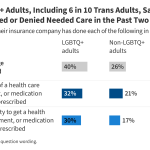
This report examines how LGBTQ+ adults’ experiences with health care costs and access compare to those of non-LGBTQ+ adults, finding that LGBTQ+ adults face significantly greater challenges affording and accessing care.
States are taking different regulatory approaches to AI mental health tools in response to concerns about chatbots providing inaccurate or potentially dangerous advice. Laws and pending legislation in some states restrict AI from providing or advertising itself as therapy, while others focus on data protections, disclosures, and patient consent requirements.
This data note presents key data points describing the current state of the Medicaid program as it affects women.
Considering the existing challenges to hospital-based maternity care in rural areas and the potential for it to worsen, this data note analyzes the availability of hospitals providing inpatient maternity care in rural areas for Medicaid enrollees and illustrates how access to these services could be affected if additional rural hospitals were to close or eliminate…
States and local governments, rather than the federal government, have authority over school vaccination requirements, and while all 50 states and DC require certain vaccines for school attendance, they vary substantially in how exemptions are granted and administered. As the Trump administration has moved away from longstanding federal childhood vaccine recommendations, an increasing number of…
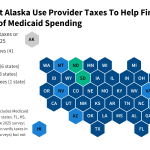
This issue brief uses data from KFF’s 2025-2026 survey of Medicaid directors and from a proposed rule on provider taxes to describe states’ current provider taxes, explore how rules governing provider taxes are changing because of the 2025 reconciliation law and the regulations implementing that law, and summarizes which changes may affect each state.
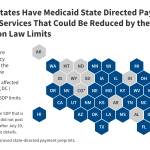
An estimated $60 billion in federal Medicaid spending in 37 states (including the District of Columbia) would likely exceed new federal limits on state directed payments for hospital services once fully implemented, a new KFF analysis finds. States with the biggest potential reductions in Medicaid payments to hospitals include California, Illinois, Kentucky, Texas, North Carolina,…
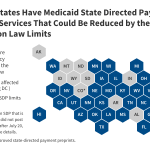
This analysis estimates the number of states impacted by and the amount of current federal spending on Medicaid state directed payments for hospital services that exceeds the new limits established by the 2025 reconciliation law when fully implemented.
This brief provides an overview of health coverage of noncitizen children to provide greater insight into the potential role of Immigrant Children’s Health Improvement Act (ICHIA) coverage in limiting the 2025 reconciliation law’s impact on coverage for lawfully present immigrant children.