




Fertility Awareness-Based Methods to Prevent Pregnancy
This fact sheet provides an overview of fertility awareness-based methods to prevent pregnancy and their efficacy rates, and discusses associated costs and insurance coverage of these methods.
Major federal changes to Medicaid and other health-related policies could impact children’s health in the coming years. This issue brief explores the latest data on Medicaid and children’s health and highlights five key issues to watch as those federal changes are implemented.
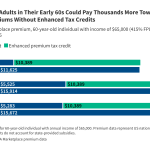
As Marketplace Open Enrollment nears, policy changes could leave millions of people facing substantially higher premiums and coverage loss, which could lead more consumers to purchase less expensive and less comprehensive coverage through short-term health plans. KFF analyzes short-term health policies sold by nine large insurers in 36 states, examining premiums, cost sharing, covered benefits,…
These findings from the KFF/Washington Post Survey of Parents shed light on parents who support the Make America Healthy Again movement, including the issues they see as top concerns for their children’s wellbeing and their attitudes when it comes to vaccines and government regulations on food.
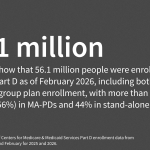
Medicare beneficiaries will have 32 Medicare Advantage plans with prescription drug coverage available to choose from, on average, in 2026.
This Policy Watch examines the continued impact the Trump Administration’s Executive Order on gender is having on LGBTQ health policy issues, inlcude the removal of information and data, adoption of new CDC priorities, and approach to new PrEP recommendations.
This issue brief provides an overview of Executive Order (EO) 14224 designating English as the official language of the United States and its potential implications for multilingual resources, including data on the shares of individuals with LEP across different socioeconomic characteristics based on KFF analysis of 2023 American Community Survey (ACS) data.
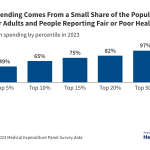
This Peterson-KFF Health System Tracker chart collection examines trends in employee spending on deductibles, copayments, and coinsurance from 2012 to 2023 using a sample of health benefit claims for individuals under 65.
Efforts to correct misinformation can unintentionally amplify it by increasing engagement, repetition, and visibility. During times of low trust, even debunked claims can erode confidence in health institutions. Communicators can limit amplification by focusing on verified facts, using prebunking and strategic debunking, and strengthening trust with credible messengers.
As climate change-related disasters worsen, the federal government’s shrinking of emergency and disaster preparedness support to state and local governments may leave millions of people vulnerable and unable to recover from natural disasters.