Quiz – How Well Do You Understand Your Health Insurance?
Health insurance is often complicated, but understanding the basics helps you make better decisions about your coverage and care. This 10-question quiz touches on some terms you may encounter.






Health insurance is often complicated, but understanding the basics helps you make better decisions about your coverage and care. This 10-question quiz touches on some terms you may encounter.
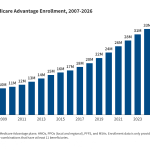
Just over 35 million people are enrolled in Medicare Advantage in February 2026, an increase of 1.1 million since a year ago. The increase was largely driven by increased enrollment in special needs plans.

This analysis of trends in health insurers’ financial data shows that insurers’ gross margins per enrollee dipped slightly in 2024 across four markets, remaining highest in the Medicare Advantage market, followed by the individual (non-group) market, the fully insured group (employer) market, and Medicaid managed care. The analysis also examines insurers’ medical-loss ratios across the…

On February 14, 2026, CMS released a dataset with provider-level spending data that the agency suggests could be used to identify unusual billing patterns for specific services, states, or providers. This policy watch describes what the data include, what they exclude, and how they could potentially lead to mistaken conclusions given the limitations of the…
Intrauterine devices (IUDs), along with implants, are known as long-acting reversible contraception (LARCs) because they can be used to prevent pregnancy for several years. This fact sheet reviews FDA-approved IUDs, as well as use, availability, and key issues in insurance coverage and financing of IUDs in the U.S.
This brief describes the Managed Care Program Annual Report (MCPAR), a relatively new, comprehensive report on state Medicaid managed care programs that includes plan-level data. It is used with other managed care reports to improve state and federal managed care program monitoring, oversight, and transparency.
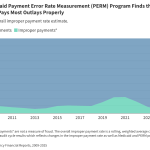
The PERM program measures improper payments in Medicaid through cyclical audits of state Medicaid programs. This brief explains the PERM program and its three component error rates as well as upcoming changes to PERM and possible state impacts.
KFF’s latest Health Information and Trust Tracking Poll shows trust in the CDC for vaccine information is at its lowest point since the pandemic began. Findings are available on KFF’s new polling dashboard. New evidence also finds no link between prenatal acetaminophen use and autism, though confusion may persist as officials question the drug’s safety.
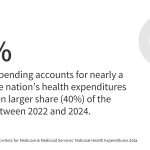
This data note analyzes the extent to which hospital spending has contributed to the growth in national health expenditures in recent years and over the long term using data from the Centers for Medicare & Medicaid Services (CMS) National Health Expenditures Accounts (NHEA).
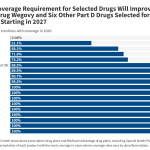
The Medicare drug price negotiation program could improve coverage of drugs selected for negotiation for Medicare beneficiaries because the law requires all Medicare Part D plans to cover each of the selected drugs, including all dosages and forms, when negotiated prices take effect. This analysis examines 2026 Medicare Part D formulary coverage of drugs selected…