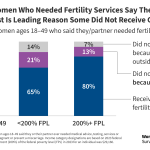
Women’s Access to Fertility Care
This analysis presents findings from the 2026 KFF Women’s Health Survey on women’s reported need for and use of fertility services.






This analysis presents findings from the 2026 KFF Women’s Health Survey on women’s reported need for and use of fertility services.
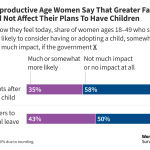
This analysis highlights women’s opinions regarding the possible impact of potential federal actions on their decision to have children in the future as well their experiences with paid parental leave and sick leave in the workplace.

This analysis takes a first look at how hospitals are reporting prices under updated federal hospital price transparency requirements that took effect in January 2026.
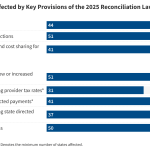
The 2025 reconciliation law makes sweeping changes to Medicaid that will affect every state through key eligibility and financing changes, including new work requirements, immigrant eligibility restrictions, and changes to provider taxes and state directed payments. This issue brief explains which states will be affected by each of these key provisions.
Federal vaccine policy has shifted toward fewer recommended routine childhood vaccinations, more emphasis on individual decision-making, and greater skepticism about the safety and efficacy of some vaccines. The changes coincide with declining childhood vaccination rates, rising exemptions from school vaccine requirements, and a major measles resurgence.
More people than ever got coverage through the Affordable Care Act (ACA) Marketplaces in 2025, but the expiration of enhanced premium tax credits has driven up what people pay and contributed to declining enrollment in 2026. Law and regulatory changes also tightened ACA eligibility and enrollment requirements. Public opinion of the ACA remains generally favorable,…
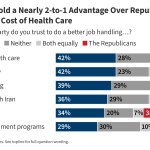
With the 2026 midterms about a month away, health care costs remain tied with gas as voters’ top midterm concerns and the Democrats hold a clear edge over the Republicans Party on who voters trust to handle many top electoral issues, including the cost of health care and the cost of living. Two-thirds of U.S….

When health systems are stressed, Martin McKee has been there taking notes. He’s spent four decades studying collapse and recovery — the post-Soviet transition, the 2008 financial crisis, the COVID-19 pandemic. Now, as professor of European public health at the London School of Hygiene and Tropical Medicine and research director of the European Observatory on…
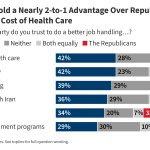
Just a month away from the midterm elections, affordability worries continue to top the public’s list of midterm election issues, with health care costs and gas costs tying as the top economic concern, KFF’s new Health Tracking Poll finds. Voters overall trust Democrats more than Republicans to handle the cost of health care and the…
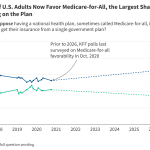
This chart pack summarizes KFF polling data on public opinion on Medicare-for-all and other national health plan proposals. The latest update finds that two-thirds of the public supports Medicare-for-all, while support changes drastically as respondents hear arguments from proponents and critics.