Early Medicaid Work Requirement Insights From Nebraska
This brief describes the verification process for Medicaid work requirements in Nebraska and examines early data on outcomes for individuals subject to work requirements.





This brief describes the verification process for Medicaid work requirements in Nebraska and examines early data on outcomes for individuals subject to work requirements.
In another concerning example of AI agents going rogue recently, an OpenAI agent hacked into an Australian government website containing health care data. While some industry CEOs are calling for a slowdown and demands for regulation grow, host Chip Kahn focuses on the implications for health care when these same kinds of AI systems are…
This brief describes the role of Medicaid Fraud Control Units (MFCUs) in program integrity efforts, examines caseload and case outcome data, and current issues facing MFCUs.
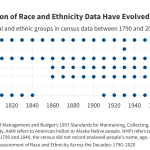
This issue brief provides an overview of the decennial census and discusses potential implications of the changes outlined in a September 2026 proposed rule to prohibit the collection of race and ethnicity data on the census and exclude many noncitizen immigrants from the apportionment count.
This fact sheet summarizes federal, state, and local policies on paid family and medical leave and paid sick leave.
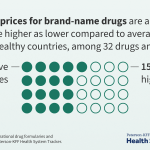
TrumpRx prices for brand-name drugs are about as likely to be higher as lower compared to average prices in other wealthy countries, according to an analysis that compares 32 brand-name drugs (without generics or biosimilars) on the TrumpRx website with publicly available prices in one or more of 11 OECD member countries.
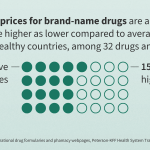
Consumers who buy brand-name prescription drugs without an available generic or biosimilar at the prices available through the new TrumpRx website are about as likely to pay more as pay less for those drugs relative to the publicly listed prices available in other comparatively wealthy countries, a new KFF analysis finds.
Many reproductive-age women seek health information through online sources, where they may encounter false or misleading information about contraception, according to the 2026 KFF Women’s Health Survey. And an Ohio health department’s new AI policy offers a rare example of a health-specific policy addressing accuracy and public trust.
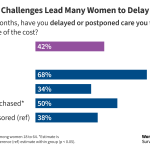
As health care costs dominate the national political conversation, our 2026 KFF Women’s Health Survey shows the toll those costs are taking on women. Our new nationally representative survey of women and men ages 18–64 finds costs remain a major barrier for women, specifically — causing everything from delayed care to rationed medications to cuts…
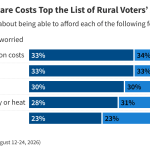
Rural voters’ frustrations about the cost of living in their community are growing and appear to be chipping away at Republicans’ enthusiasm to vote as the midterm elections near, a new KFF/AP Survey of Rural Voters finds.