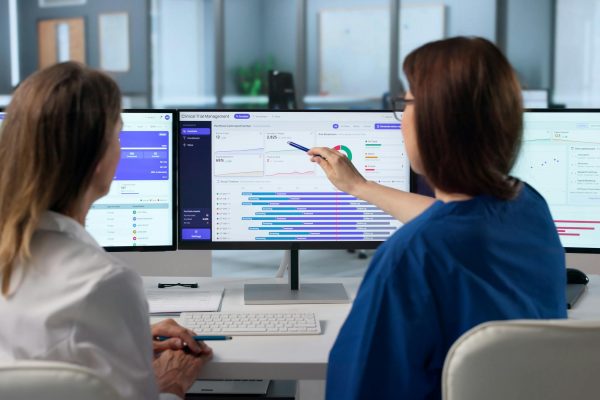
Clinical Research Has a Workforce Problem
Workforce shortages and manual processes are slowing trial enrollment, but technology can help health systems work smarter while keeping people at the center.






Workforce shortages and manual processes are slowing trial enrollment, but technology can help health systems work smarter while keeping people at the center.

Genomics Risk Assessment for Cancer and Early Detection (GRACE) program has both high-tech and high-touch components

Center for Connected Medicine at UPMC, KLAS Research interview more than two dozen executives on AI infrastructure, governance

50-location Sun River Health using VisualDx solution to strengthen in-house decision-making capabilities and enable more appropriate referrals

Yale New Haven Health is leveraging the retirement of legacy radiology reporting platforms to rethink how imaging data integrates with AI, workflow, and operational decision-making, emphasizing long-term growth and physician well-being.

Report highlights efforts to coordinate across HHS agencies to improve the quality, accessibility, and interoperability of EHR data

As the U.S. Consumer Product Safety Commission (CPSC) seeks expanded access to identifiable emergency department patient records, Melissa Soliz, a partner at Coppersmith Brockelman, explains the legal, privacy, and compliance issues healthcare organizations should consider before responding

Jennifer Noonan of Accessia Health explains why ending Medicare Part D subsidies could increase coverage losses, strain nonprofit assistance programs, and make navigating Medicare even more challenging for vulnerable patients

The five-year federal reimbursement extension is changing how health systems think about Hospital at Home. Healthcare Innovation launches its new Digital Health Intelligence webinar series by exploring what comes next.

Ambient AI is moving beyond clinical documentation, giving health system leaders new ways to measure workflow, improve safety, reduce variation, and strengthen procedural performance.