


Operational efficiencies of using one vs multiple bispecific antibodies for diffuse large B-cell lymphoma and follicular lymphoma in the US

That is the title of a new paper published in Future Oncology with co-authors Tara Graff,Savreet Bains Chawla,Monika Jun,Nicole Heaps,Abualbishr Alshreef,David Tybor,Donald C. Moore,Nadine Zawadzki, and Kathryn Spurrier. The abstract is below: Aim To quantify the time- and cost-savings to US oncology practices from using a single bispecific antibody (bsAb) for both relapsed/refractory (R/R) diffuse…

Read More

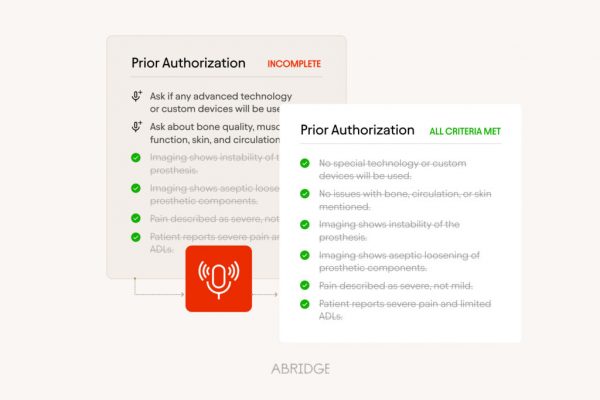
Inside Duke’s Approach to Building and Buying AI Tools

Duke University Health System is deploying a mix of homegrown and purchased AI tools to ease clinicians’ administrative burden and improve patient care. Chief Nurse Executive Terry McDonnell highlighted that while AI can’t replace nurses’ judgment, it can help free up their time for what matters most. The post Inside Duke’s Approach to Building and…

Read More

Blood Centers Complement Hospitals to Drive Cell and Gene Therapy Access

Blood centers are neutral partners, as they do not compete with hospitals for patients. Instead, they complement hospitals by providing a focused array of high-quality, specialized, patient-centric services, allowing hospitals to maintain primary relationships with patients and their families. The post Blood Centers Complement Hospitals to Drive Cell and Gene Therapy Access appeared first on…

Read More

Why Pure DTC Doesn’t Work in Healthcare, Per Muse Capital

Rachel Springate, general partner at Muse Capital, said the next wave of healthcare startups will be driven by consumer demand — but pure direct-to-consumer models rarely work. Companies like Midi Health, Mavida Health and Mahmee are showing a different path: starting with patients, collecting outcomes data, and integrating with clinicians, payers and the broader healthcare…

Read More