



Q&A: What Does the Budget Bill Mean for Your Health? 

LISTEN: Congress is considering roughly $800 billion in Medicaid cuts. You could feel the effects even if you’re not on the government program for people with low incomes and disabilities. KFF Health News chief Washington correspondent Julie Rovner explained how on WAMU’s “Health Hub,” June 18.  Health programs including Medicaid, Affordable Care Act subsidies, and…
Read More

Tracking Applications for Rural Health Transformation Funds

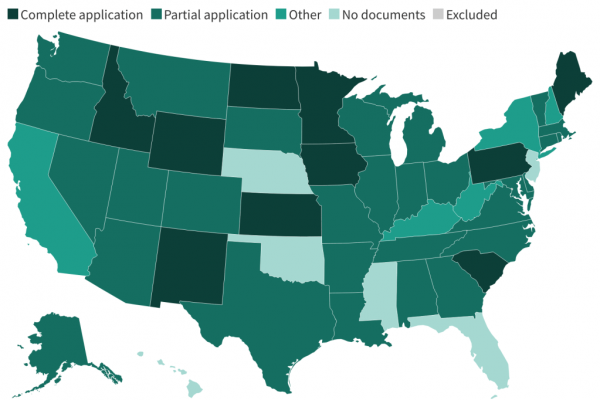
Since the Nov. 5 deadline passed for states to apply for their shares of the new $50 billion federal Rural Health Transformation Program funding, officials at the Centers for Medicare & Medicaid Services have declined to publicly release the applications. Federal officials are using those submissions, most of them more than 100 pages long, to decide how to divide the…

Read More

Disrupting the U.S. “Sickcare” System

Real change will come from disrupting the status quo. Advances in AI and a focus on prevention offer a way forward, promising not just financial rewards, but a healthier population, less strain on healthcare, and a future where “healthcare” truly means care. The post Disrupting the U.S. “Sickcare” System appeared first on MedCity News.

Read More

Listen: What the Vaccine Schedule Whiplash Means for Your Kids

LISTEN: After a federal judge blocked the Trump administration’s efforts to pare down childhood vaccine recommendations, plenty of questions remain — like how annual vaccines for the flu will get approved. KFF Health News chief Washington correspondent Julie Rovner spoke with WAMU about how the decision is rippling through the public health system. Big swings…

Read More

Denial prevention: Why manage denials when you can prevent them?

The denial challenge is getting tougher. In Experian Health’s latest State of Claims 2024 survey, almost three-quarters of healthcare administrators agree that claim denials are increasing. The majority also agree that difficulties with claims—like reimbursement times, errors, and payer policy changes—are becoming more common. It’s no surprise that denial prevention is a priority for 84% of respondents….

Read More