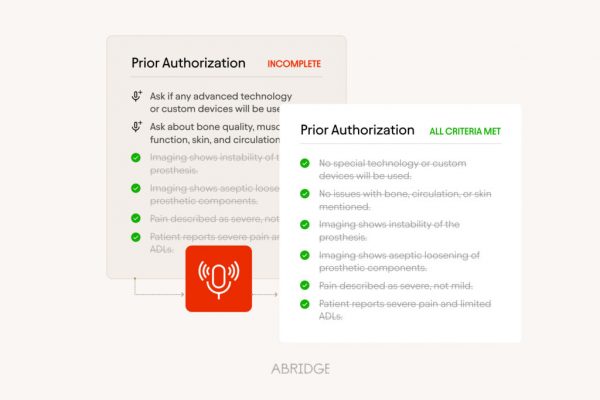




Evidence-Based Medicine: AI Scribes Actually Work

By reducing the time spent on administrative tasks, AI scribes allow physicians to focus more on what truly matters — patient care. As the technology continues to evolve and improve, its adoption will likely become more widespread, further enhancing its benefits.     The post Evidence-Based Medicine: AI Scribes Actually Work appeared first on MedCity News.

Read More

Precision Psychiatry is Possible — Especially if We Use Evidence-based Neural Measures to Drive Better Mental Health Treatment and Outcomes

By moving beyond subjective and heterogeneous criteria and embracing objective brain function measures, the field of psychiatry can achieve greater precision and efficacy in addressing complex disorders. The post Precision Psychiatry is Possible — Especially if We Use Evidence-based Neural Measures to Drive Better Mental Health Treatment and Outcomes appeared first on MedCity News.
Read More

Bridging Clinical Research Gaps: How Site Augmentation Enhances Trial Success

Understanding how site augmentation services could be leveraged to overcome challenges is not the responsibility of one entity. The most creative and effective solutions arise from collaboration among all stakeholders — sponsors, CROs, service providers, and research sites. The post Bridging Clinical Research Gaps: How Site Augmentation Enhances Trial Success appeared first on MedCity News.

Read More

What the Air You Breathe May Be Doing to Your Brain

For years, the two patients had come to the Penn Memory Center at the University of Pennsylvania, where doctors and researchers follow people with cognitive impairment as they age, as well as a group with normal cognition. Both patients, a man and a woman, had agreed to donate their brains after they died for further…

Read More

Few Trust Most Health Content on Social Media, Autism Claims Follow Thimerosal Policy Shift, and Misleading Narratives About SSRIs in Pregnancy — The Monitor

This volume analyzes findings from the latest KFF Tracking Poll on Health Information and Trust, which show that just over half of adults say they use social media to find health information and advice, but less than half trust the health content they see across an array of social media sites and apps. It also…

Read More