




Fatty Liver Disease (MASLD): Symptoms, Causes, Stages, Diagnosis, Treatment & Prevention
Table of Contents
Introduction
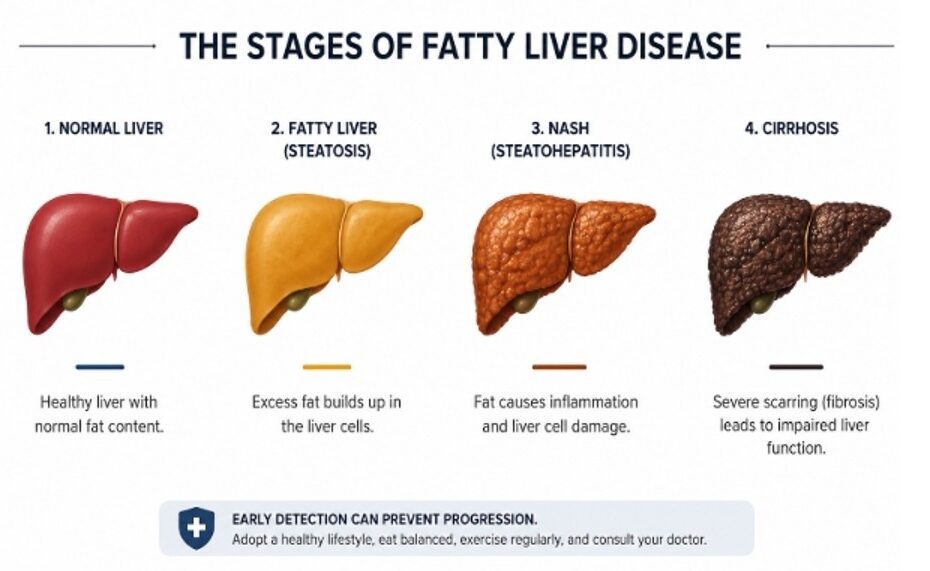
Fatty liver disease is considered the most widespread form of liver disease in the world, as it affects millions of people because of increasing obesity, physical inactivity, insulin resistance, diabetes mellitus type 2, and many others. The problem arises from excessive accumulation of fat in the liver, which impairs the organ’s function. In the early stages of fatty liver disease, it usually goes unseen and returns without any symptoms, which makes routine tests and proper diagnosis very important. Untreated, the disease may progress from a very fatty accumulation through inflammation and fibrosis of the liver, then cirrhosis of the liver and its failure, and ultimately liver cancer. Luckily, with proper treatment and management, fatty liver disease can be prevented from developing further.
In this complete guide, you will learn what fatty liver disease is and what causes it. The blog will discuss how fatty liver disease develops, its symptoms and complications, how to diagnose it, and measures to prevent it through proper nutrition and lifestyle.
What Is Fatty Liver Disease?
Fatty liver disease is a condition in which excess fat builds up inside the liver cells. Some fat deposition in the liver is normal; however, excessive fat deposition may lead to liver inflammation and damage. If fatty liver disease results from metabolic factors, it is called metabolic dysfunction-associated steatosis liver disease (MASLD). MASLD is strongly associated with insulin resistance, overweight/obesity, and metabolic syndrome. However, it can also occur in lean individuals and is particularly common in those with a paucity of adipose tissue (ie., lipodystrophy).
Why Is Fatty Liver Disease Now Called MASLD?
The proposed new terminology is metabolic dysfunction-associated steatosis liver disease (MASLD) to replace NAFLD, and metabolic dysfunction-associated steatohepatitis (MASH) to replace nonalcoholic steatohepatitis. The new term highlights the strong relationship between fatty liver disease and metabolic dysfunction, including obesity, insulin resistance, type 2 diabetes, and dyslipidemia.
How Does the Liver Work?
Types of Fatty Liver Disease
How Common Is Fatty Liver Disease?
What Causes Fatty Liver Disease?
Early Symptoms of Fatty Liver Disease
Advanced Symptoms
Fatty Liver Disease Stages
How Is Fatty Liver Disease Diagnosed?
Diagnosing fatty liver disease, now commonly referred to as metabolic dysfunction-associated steatotic liver disease (MASLD) when metabolic risk factors are present, involves two key steps: confirming the presence of excess fat in the liver and assessing whether the liver has inflammation or fibrosis (scarring).
There is no single blood test that can diagnose fatty liver disease or reliably determine its severity. Diagnosis usually involves a combination of medical history, physical examination, blood tests, imaging, and, in selected cases, liver biopsy.
Medifyhome can simplify the process of conducting an initial assessment and monitoring of fatty liver through at-home blood tests. Blood tests for Liver Function Tests (LFT), ALT, AST, bilirubin, albumin, CBC/platelets, fasting glucose, HbA1c, and lipid profile could be considered.
Can Fatty Liver Disease Be Reversed?
Lifestyle modification is the option of MASLD. The main goals are to reduce excess body weight, improve insulin sensitivity, decrease liver fat, and prevent progression to steatohepatitis and liver fibrosis.
Best Diet for Fatty Liver Disease
Foods to Eat: A Mediterranean-style diet is a good dietary pattern for people with fatty liver disease. Focus on foods that support healthy weight management and improve metabolic health:
In general, the emphasis should be on nutrient-dense, minimally processed foods, while maintaining proper caloric intake. It appears that the benefits of various dietary approaches, such as low-carbohydrate or low-fat diets, are mainly due to reduced caloric intake.
Foods to Avoid: Certain foods and beverages can contribute to weight gain, insulin resistance, and worsening liver fat and should be limited:
Lifestyle Changes That Improve Liver Health
Fatty Liver Disease in Special Groups
Why is it especially important for women?
Having MASLD could make women more likely to develop:
Heart diseaseGestational diabetes during pregnancyPresentation of liver disease if metabolic risks remain untreated
Therefore, regular checkups and metabolic tests are essential.
Pregnancy – Women with MASLD or significant metabolic risk factors should receive adequate prenatal care. Pregnant women with MASLD have a higher risk of developing gestational diabetes, premature birth, and pregnancy-induced hypertension.
Complications If Left Untreated
Myths and Facts About Fatty Liver Disease
MYTH: Fatty liver disease only affects people who drink alcohol.
Fact: Fatty liver can occur in people who drink or don’t drink alcohol.
MYTH: Fatty liver is harmless and never progresses.
Fact: Fatty liver can cause many serious health complications if left ignored and untreated
MYTH: Only people with obesity can develop fatty liver.
Fact: Lean or normal weight individuals can also develop fatty liver, but obesity can increase the risk.
How to Prevent Fatty Liver Disease
Fatty liver disease can be prevented by eating a balanced diet and maintaining a healthy weight through regular exercise. Alcohol must be avoided or limited. It is important always to stay hydrated and get adequate sleep. Regular health checkups should be done for people with obesity, diabetes, metabolic syndrome, or any other risk factors.
When Should You See a doctor?
Some situations where you should consider visiting a physician include:
You have chronic fatigue.You feel uncomfortable pain or discomfort in the upper right part of your abdomen.You suffer from obesity, type 2 diabetes, insulin resistance, high cholesterol levels, or high triglycerides.You suffer from hypertension or metabolic syndrome.You suffer from unusual ALT, AST, or liver test results.You have been informed that the imaging test shows fatty liver.You are a frequent consumer of alcohol or worry about alcohol-induced liver injury.You have a family history of liver disease or other risk factors for liver disease.
Recommended Health Tests for People at Risk
Tests that are frequently suggested include:
Liver Function Test (LFT): Tests such as ALT, AST, bilirubin, albumin, and ALP are performed to evaluate liver function and diagnose potential liver damage.Fasting Blood Glucose: Detects high blood sugar and risk of diabetes.HbA1c: Assesses average blood glucose levels over the last 2-3 months and diagnoses diabetes.Lipid Profile: Measures the level of cholesterol and triglycerides, which are key metabolic factors for developing fatty liver disease.Complete Blood Count (CBC): Measures platelet levels, which can be helpful when assessing the risk of developing severe liver fibrosis.FIB-4 score: Non-invasive fibrosis score that is assessed based on age, AST, ALT, and platelet levels. Can help detect at-risk patients.Abdominal Ultrasound: First-line imaging test to detect excess liver fat.Fibro Scan (Transient Elastography): Non-invasive method to test liver stiffness.
Medifyhome can assist with testing blood parameters, including LFT, HbA1c, fasting blood glucose, lipid profile, and CBC, through diagnostic services. Additional evaluations, such as ultrasound and FibroScan, will depend on the patient’s risk factors and should be advised by a healthcare professional.
Frequently Asked Questions
1. Is fatty liver disease curable?
For many people, fatty liver is treatable and reversible, especially in its early stages, with weight management, proper nutrition, physical activity, and other interventions aimed at controlling related diseases.
2. Can a skinny person have fatty liver?
Yes, fatty liver can happen to someone who is not overweight. Skinny MASLD can be caused by insulin resistance, type 2 diabetes, abnormal blood lipids, or other metabolic risk factors.
3. Does alcohol cause fatty liver?
Yes, excess alcohol intake can lead to alcohol-associated liver disease (ALD). Metabolic risk factors and alcohol together can cause fatty liver, known as MetALD.
4. Should I avoid fats in my diet if I have fatty liver?
No, not all fats are bad for your health. It is important to decrease intake of saturated and trans fats while increasing intake of unsaturated fats.
Related Blogs
National Drug & Alcohol Facts Week (awareness) Table of Contents IntroductionRead More
Ultra-Processed Foods: How to Identify Them, What to Avoid, and WhatRead More
Fatty Liver Disease (MASLD): Symptoms, Causes, Stages, Diagnosis, Treatment & PreventionRead More
The Complete Guide to Preventive Health Checkups by Age Table ofRead More
Scrub Typhus Table of Contents Scrub Typhus: Symptoms, Causes, Treatment, andRead More
The post Fatty Liver Disease – Symptoms & Treatment | Medifyhome appeared first on Medifyhome.